

Rural Wellness
Aging and remaining healthy are unique challenges in many rural communities


Your health and that of your loved ones is one of the most personal topics, whether engaging in daily routines that promote wellness and prevention, addressing an acute health care crisis, managing chronic disease, or dealing with a diagnosis no one ever wants to hear.
The Secretary of Health and Human Services Robert F. Kennedy, Jr., has a myopic and scientifically questionable vision of what can Make America Healthy Again (MAHA). While it is certainly ambitious, it doesn’t account for how every citizen can access the care and activities they and their provider determine to be the best course of action for their health. Some of it is low-hanging fruit for preventive health (such as online yoga or mindfulness apps, ways to make your favorite recipes healthier, connecting to your respective geographic or spiritual community), but much of it requires meaningful coverage of regular health care that has erodedunder this Administration. So much of this is out of reach in rural areas and only expected to worsen.
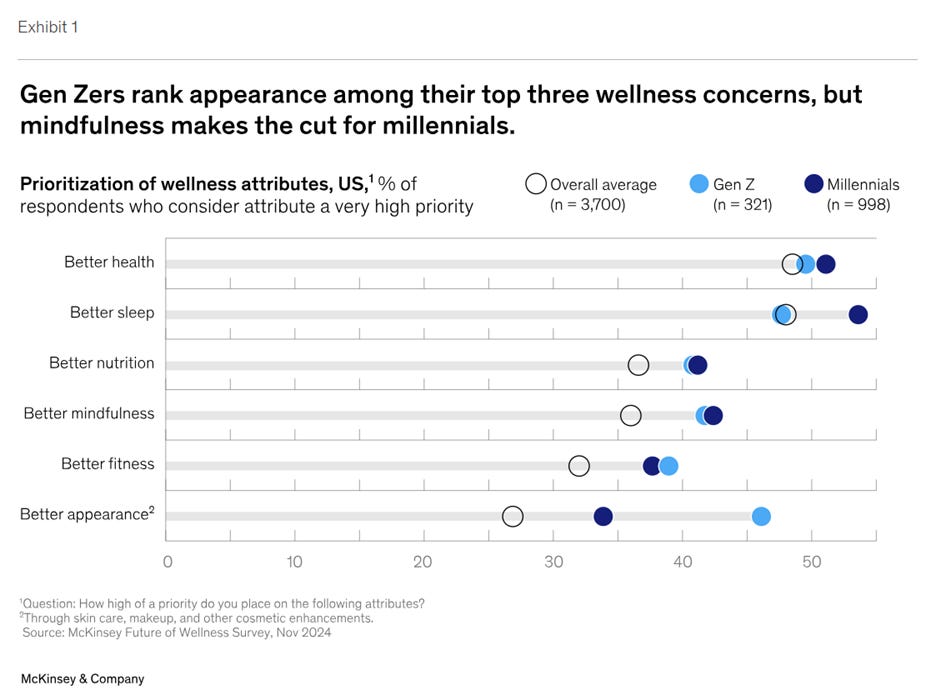
The global wellness industry reached a record $6.8 trillion in 2024 and projected to grow in the next few years. According to a 2024 McKinsey study on consumer responses to trends, this interest in wellness has different goals across generations (understandably). Clearly, Millennials are not sleeping well and Gen Z wants to look good on social media. (Apologies for gross assumptions here.)
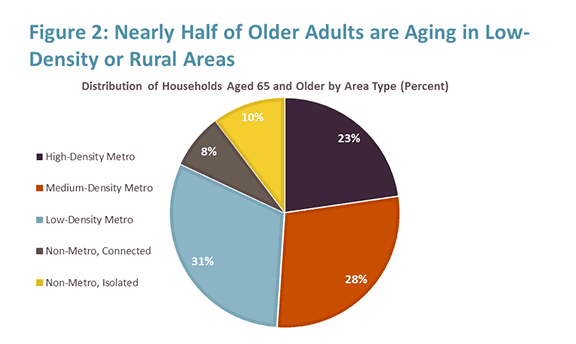
But there are also many Americans aging in place successfully, thanks to their formal and informal support systems. Efforts to reduce fall risks, support home visits from professionals, and provide nutritious meals for seniors have gone a long way in improving health outcomes and reduce hospitalizations. This is particularly critical in rural and isolated areas, where a large chunk of those over 65 years old reside.
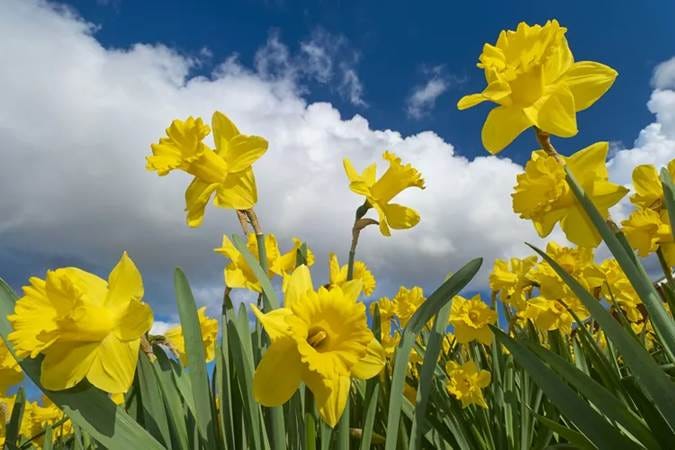
A gym membership isn’t required or even an option in most rural areas to get your body moving. Regardless of your mobility level, getting out in nature – something rural areas have in abundance – with friends and family can boost your mood and keep your blood pressure at a healthy level. Telehealth is another way to ensure you’re keeping your health in check. At One Country Project, we have highlighted how much of the MAHA effort doesn’t really work in rural America and the vision doesn’t mesh with our reality or culture. The disconnect of the new inverted food pyramid. The hypocrisy. Last week we highlighted the restorative value of gardening – a simple and humble way to connect to the land and your community. Hopefully spring is popping where you live.
The challenges to our country’s poor health outcomes will not be solved by a quick fix of peptides but by a dedication from our federal government to not cut health care, nutrition assistance, housing programs, public health, safe drinking water, etc. etc. etc. It is also a daily commitment to yourself, your family, and your community to make the healthiest decisions available to you. Let’s make sure they are in reach in rural America.
SOUND OFF
What do you want to learn about the impact rural voters will have on the midterm elections? Submit your question for Heidi and Joel to answer on an upcoming episode of The Hot Dish. Email: podcast@onecountryproject.com
I live in a "well-served "rural area. Medical infrastructure ok, but access to primary care for seniors is mixed. Practitioners are accepting new patients but have a limited number of Medicare patients. If you are on an Advantage plan, local (within 20 miles) physicians might not be in-network, even though they were listed as such during open enrollment. And the digital divide exists. I watched fiber being laid close to my home. But the cable provider won't bring it to my house because there aren't enough customers in the area. I recently had to bite the bullet and sign up for Starlink. I was using a 5G connection that suddenly became unreliable. I'm fortunate that I can afford Starlink, but many cannot.